
Arthritis
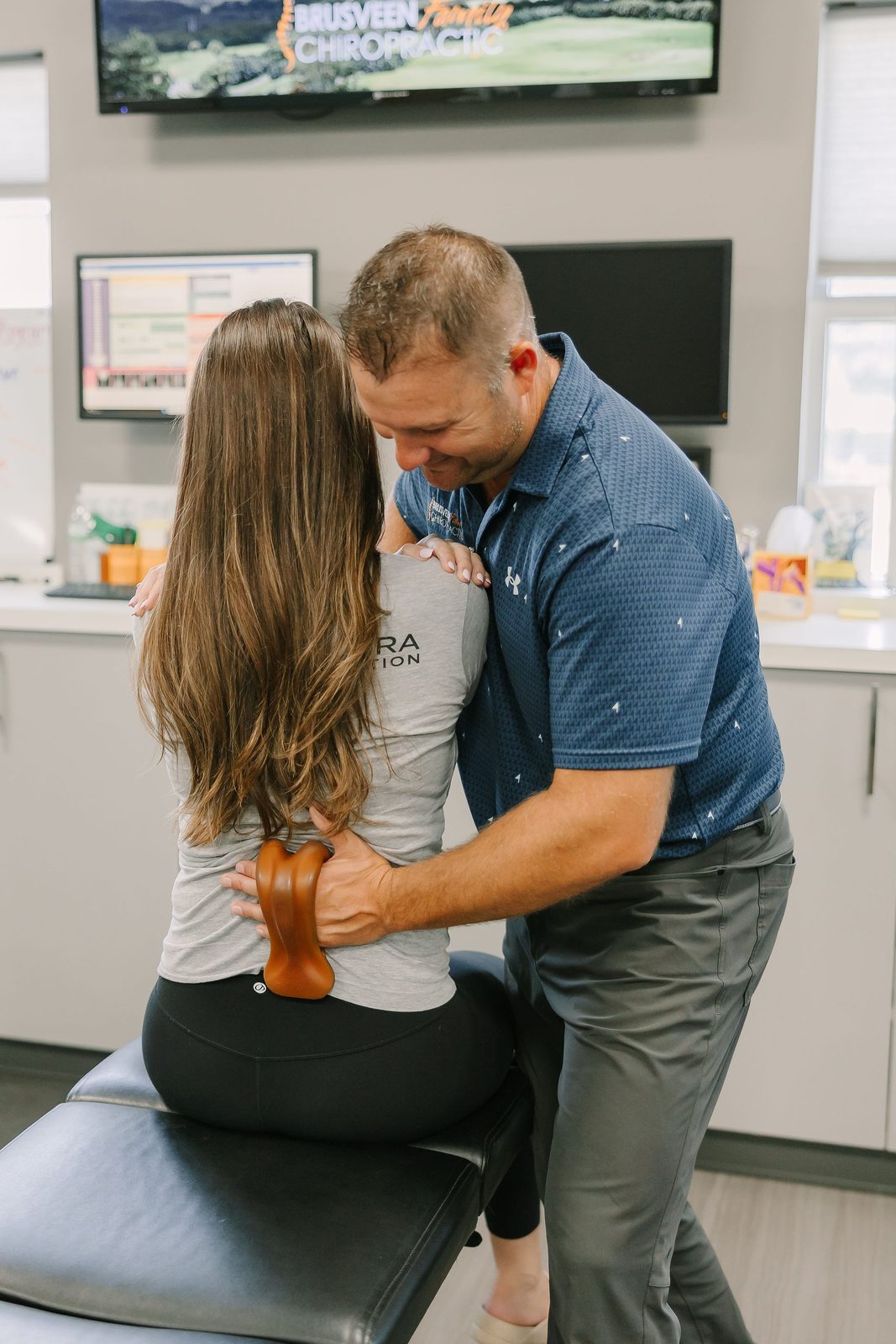
Arthritis can cause joint pain, stiffness, inflammation, and decreased range of motion. As joints become less mobile, surrounding muscles and other areas of the body may compensate, which can contribute to additional discomfort and movement problems.
Chiropractic care focuses on improving the way your joints and spine move. Through specific adjustments and other therapies, chiropractic care may help improve joint mobility, reduce stiffness, and support healthier movement patterns. We will also recommend exercises and lifestyle modifications to help maintain mobility and manage the everyday effects of arthritis.
Back Pain
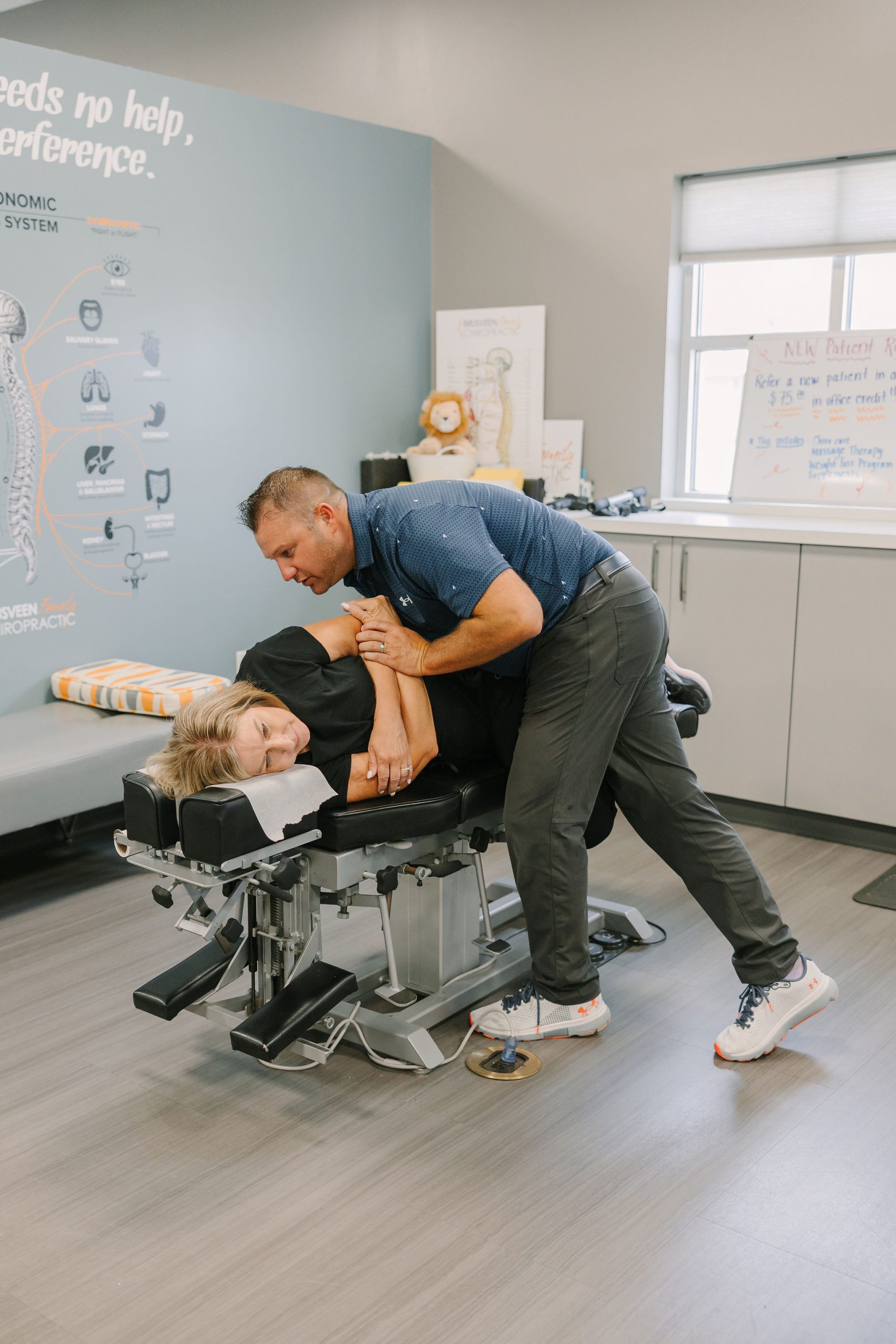
Back pain can develop from many different causes, including muscle strain, poor posture, repetitive movements, injuries, joint dysfunction, or changes within the spinal discs. Even when the original cause is minor, restricted spinal movement can sometimes cause surrounding muscles and joints to work harder than they should.
Chiropractic care is designed to address the underlying musculoskeletal factors contributing to back pain. Spinal adjustments can help restore normal joint motion, while soft-tissue therapies and corrective exercises can address muscle tension, strength, and mobility. The goal is to help you move more comfortably and return to the activities you enjoy.

Carpal Tunnel Syndrome
Carpal tunnel syndrome occurs when the median nerve becomes compressed or irritated as it travels through the wrist. Symptoms can include numbness, tingling, burning, weakness, or pain in the hand and fingers. Problems involving the wrist, forearm, shoulder, and even the neck can sometimes contribute to how these symptoms develop or are experienced.
Chiropractic care may address more than just the wrist. We can evaluate the movement and function of the wrist, elbow, shoulder, and cervical spine to identify areas of restriction or dysfunction. Adjustments, soft-tissue techniques, stretching, and ergonomic recommendations may help improve mobility and reduce stress on the surrounding structures.

Disc Degeneration
As we age, the discs between the vertebrae can naturally lose some of their height, hydration, and flexibility. These degenerative changes may contribute to stiffness, reduced spinal mobility, and discomfort in the neck or lower back.
Chiropractic care can focus on maintaining as much healthy spinal movement as possible. Gentle, specific adjustments may improve mobility in restricted areas of the spine, while exercises can help strengthen the muscles that support the spine. We may recommend spinal decompression therapy as well to help open up the disc space to allow the nerves to heal.
Headaches and Migraine
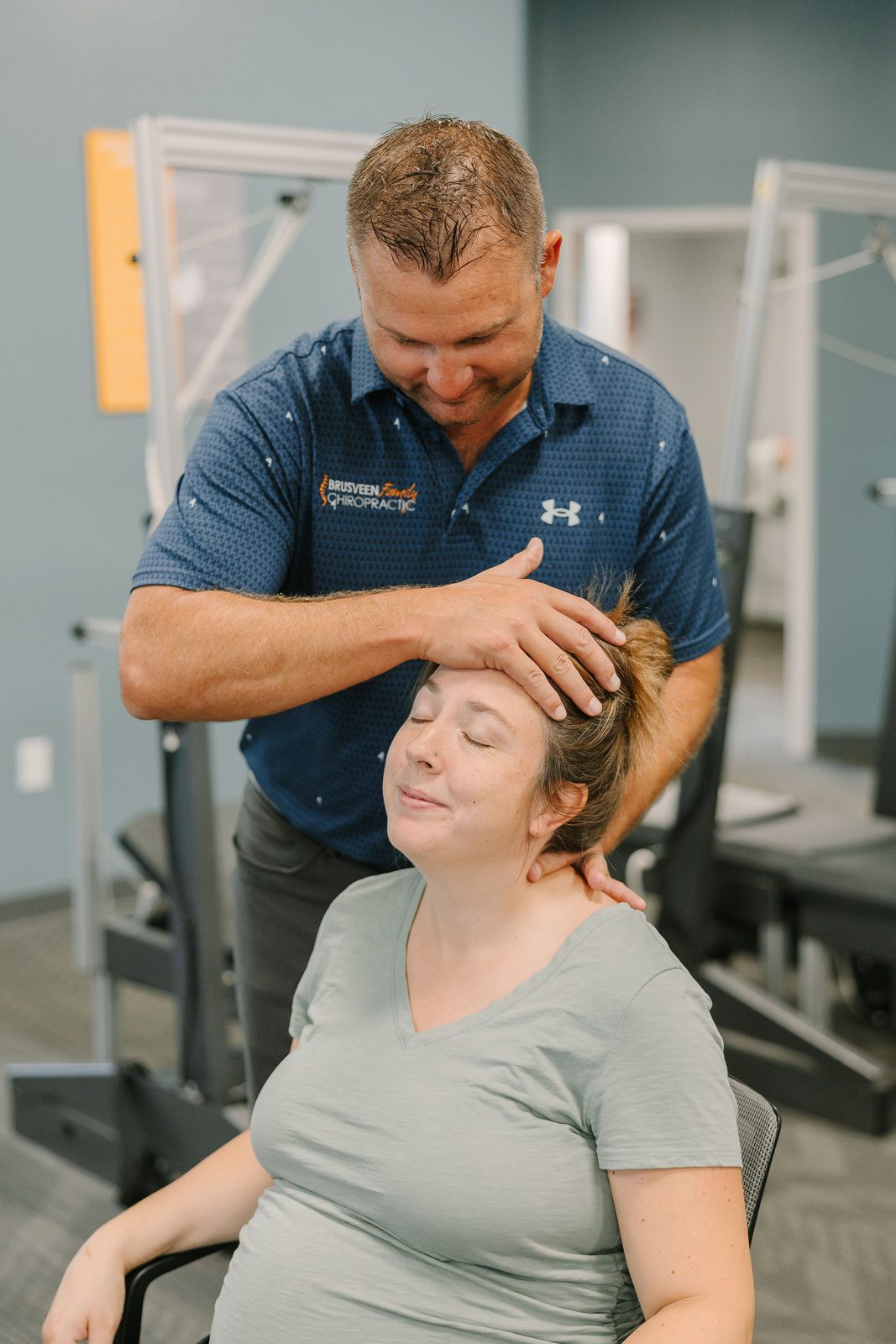
Headaches can have many different causes, but some headaches are associated with tension and dysfunction involving the neck, upper back, and surrounding muscles. Poor posture, prolonged computer use, stress, and restricted movement can contribute to increased tension in these areas.
Chiropractic care can address musculoskeletal factors that may be contributing to certain types of headaches. Treatment may include adjustments to the cervical and upper thoracic spine, soft-tissue work, stretching, and exercises designed to improve posture and mobility. By improving movement and reducing muscular tension, chiropractic care may help some patients experience fewer or less intense headache symptoms.

Herniated and Bulging Disc
The discs between the vertebrae act as cushions for the spine. A bulging or herniated disc can sometimes irritate nearby nerves and contribute to back or neck pain, numbness, tingling, or pain that travels into an arm or leg.
Chiropractic care and spinal decompression may help improve the mechanics and mobility of the spine surrounding an affected disc. We can evaluate how the spine is moving and identify areas of restriction that may be placing additional stress on surrounding structures. Depending on the individual, care may include specific adjustments, mobility exercises, soft-tissue therapy, and recommendations for modifying activities during recovery.
Knee Pain
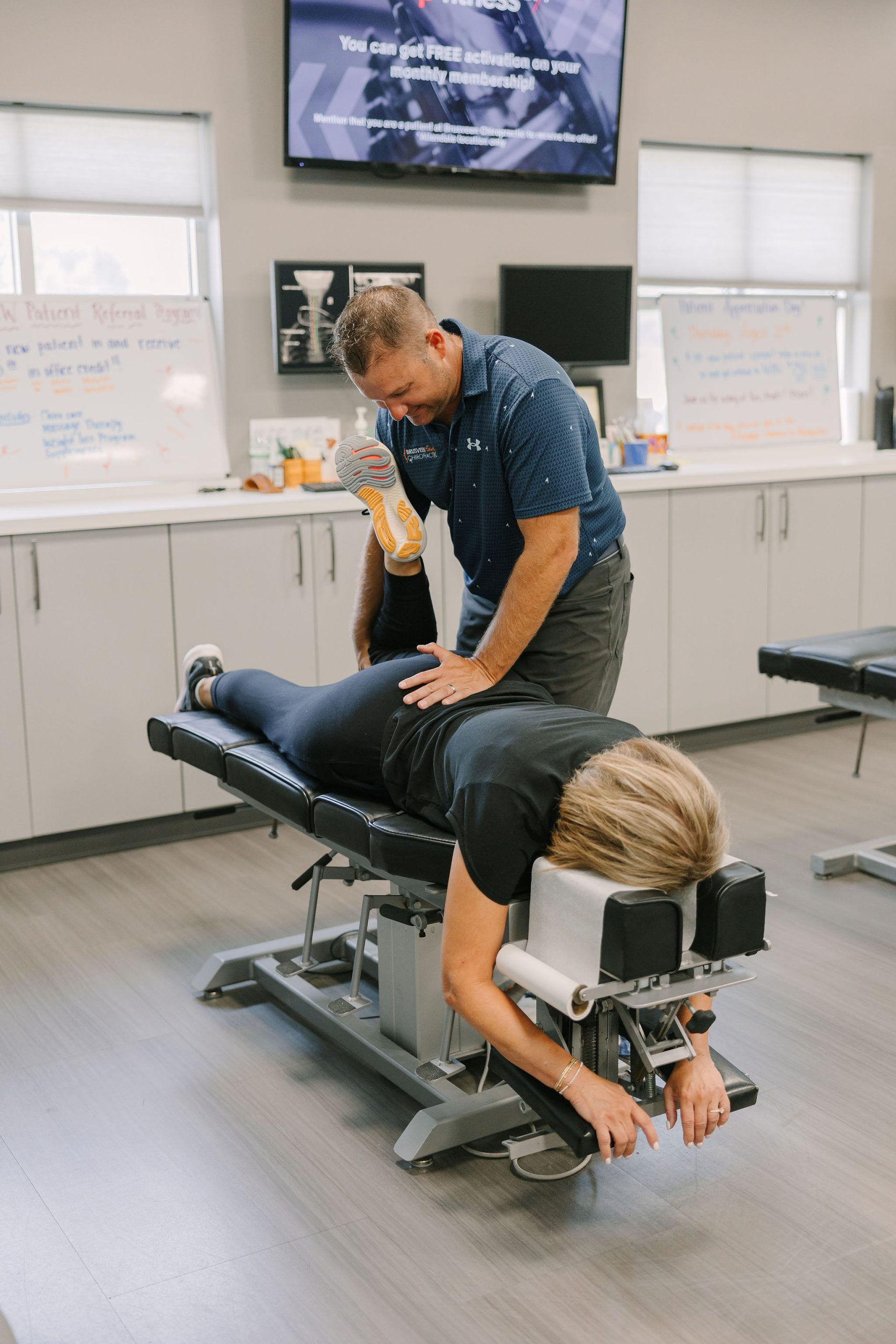
Knee pain can result from sports injuries, overuse, arthritis, muscle imbalances, changes in gait, or problems involving the hip, ankle, or other parts of the lower extremity. Because the body functions as a connected system, limited movement in one area can sometimes affect how forces are distributed through the knee.
Chiropractic care looks at the entire kinetic chain—not just the painful joint. We may evaluate the knee, hip, ankle, pelvis, and spine to identify areas affecting movement. Adjustments, soft-tissue techniques, mobility exercises, and strengthening recommendations may help improve movement and reduce stress placed on the knee.
Neck Pain
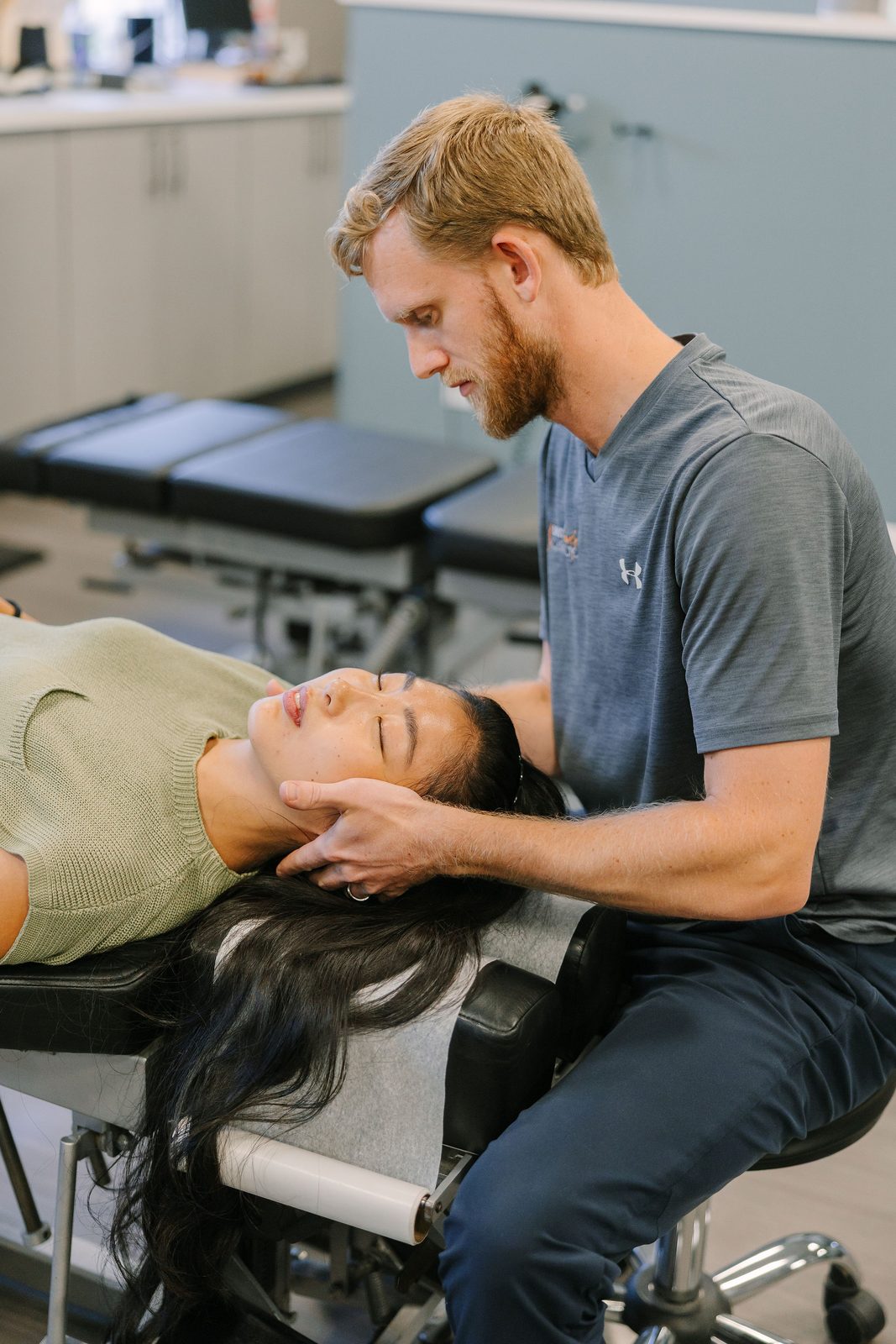
Neck pain is extremely common and can result from poor posture, prolonged computer or phone use, muscle tension, injuries, sleeping positions, or changes in the joints and discs of the cervical spine.
Chiropractic care focuses on restoring normal movement and function to the neck and surrounding areas. Specific adjustments can help improve restricted joint motion, while soft-tissue techniques may address tight muscles and surrounding tissues. We may also recommend exercises and ergonomic changes to improve posture and help prevent recurring neck problems.

Plantar Fasciitis
Plantar fasciitis is a common cause of pain along the bottom of the foot, particularly around the heel. It often causes the most discomfort with the first steps in the morning or after sitting for an extended period. Tight muscles, limited ankle mobility, changes in foot mechanics, and repetitive stress can all contribute.
Chiropractic care may address the foot and the entire lower extremity. Treatment can include adjustments to the foot and ankle, soft-tissue therapy, stretching, and exercises designed to improve mobility and strength. Evaluating the ankle, knee, hip, and pelvis can also help identify movement patterns that may be contributing to excess stress on the foot.

Radiating Arm Pain
Pain that travels from the neck into the shoulder, arm, or hand can sometimes be associated with irritation or compression of nerves originating in the cervical spine. Symptoms may include pain, numbness, tingling, burning, or weakness.
Chiropractic care can help identify whether restricted spinal or joint movement may be contributing to these symptoms. Your chiropractor may evaluate the neck, upper back, shoulder, and surrounding structures. Depending on the cause, treatment may include specific adjustments, mobility work, soft-tissue therapy, and exercises designed to improve movement and reduce mechanical stress.

Sciatica
Sciatica describes symptoms that follow the path of the sciatic nerve, which travels from the lower back through the buttocks and into the leg. Symptoms may include pain, tingling, numbness, or discomfort that travels down one side of the body.
Chiropractic care can focus on improving the movement and function of the lower back, pelvis, hips, and surrounding muscles. Specific spinal and pelvic adjustments may help restore restricted movement, while stretching, strengthening, and mobility exercises can help improve how the body moves and distributes stress. We can also determine whether your symptoms are appropriate for chiropractic care or require additional evaluation.

Scoliosis
Scoliosis is a condition involving an abnormal curvature of the spine. Depending on the individual, it may be associated with uneven muscle tension, restricted movement, posture changes, or discomfort.
Chiropractic care can help support spinal mobility and overall musculoskeletal function in people with scoliosis. Treatment is individualized and may include adjustments, soft-tissue techniques, mobility exercises, strengthening, and posture recommendations. While chiropractic care does not “straighten” a structural spinal curve, it may help improve comfort, movement, and function.
Shoulder Pain
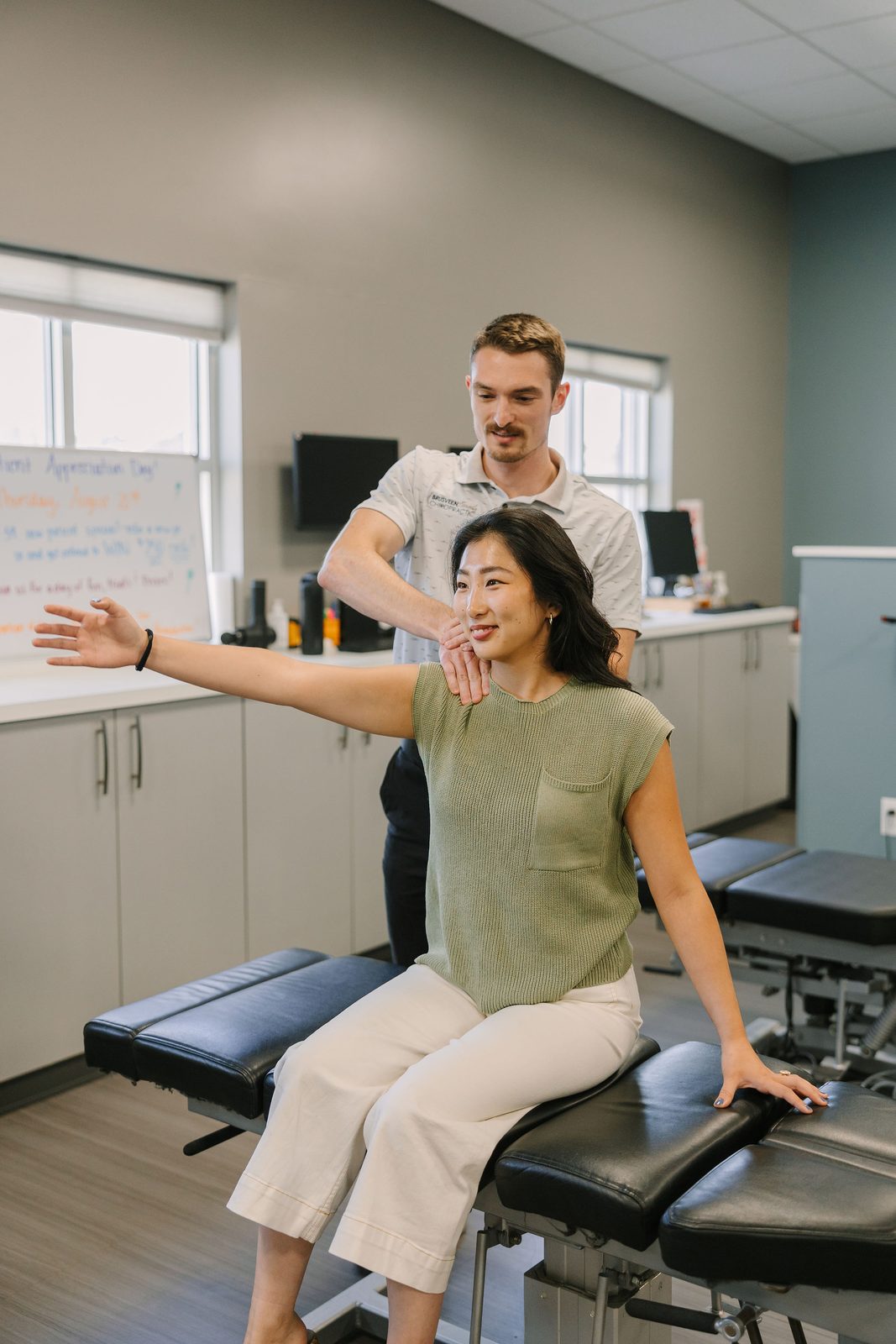
Shoulder pain can develop from injuries, repetitive activities, overuse, poor posture, muscle imbalances, or problems involving the shoulder joint, neck, or upper back. Limited mobility in one area can affect how the entire shoulder complex functions.
Chiropractic care evaluates the shoulder as part of the larger musculoskeletal system. We may examine the shoulder, neck, upper back, and surrounding muscles to identify restrictions contributing to your symptoms. Adjustments, soft-tissue therapy, stretching, and strengthening exercises may help improve range of motion, mechanics, and overall shoulder function.
Sports Injury
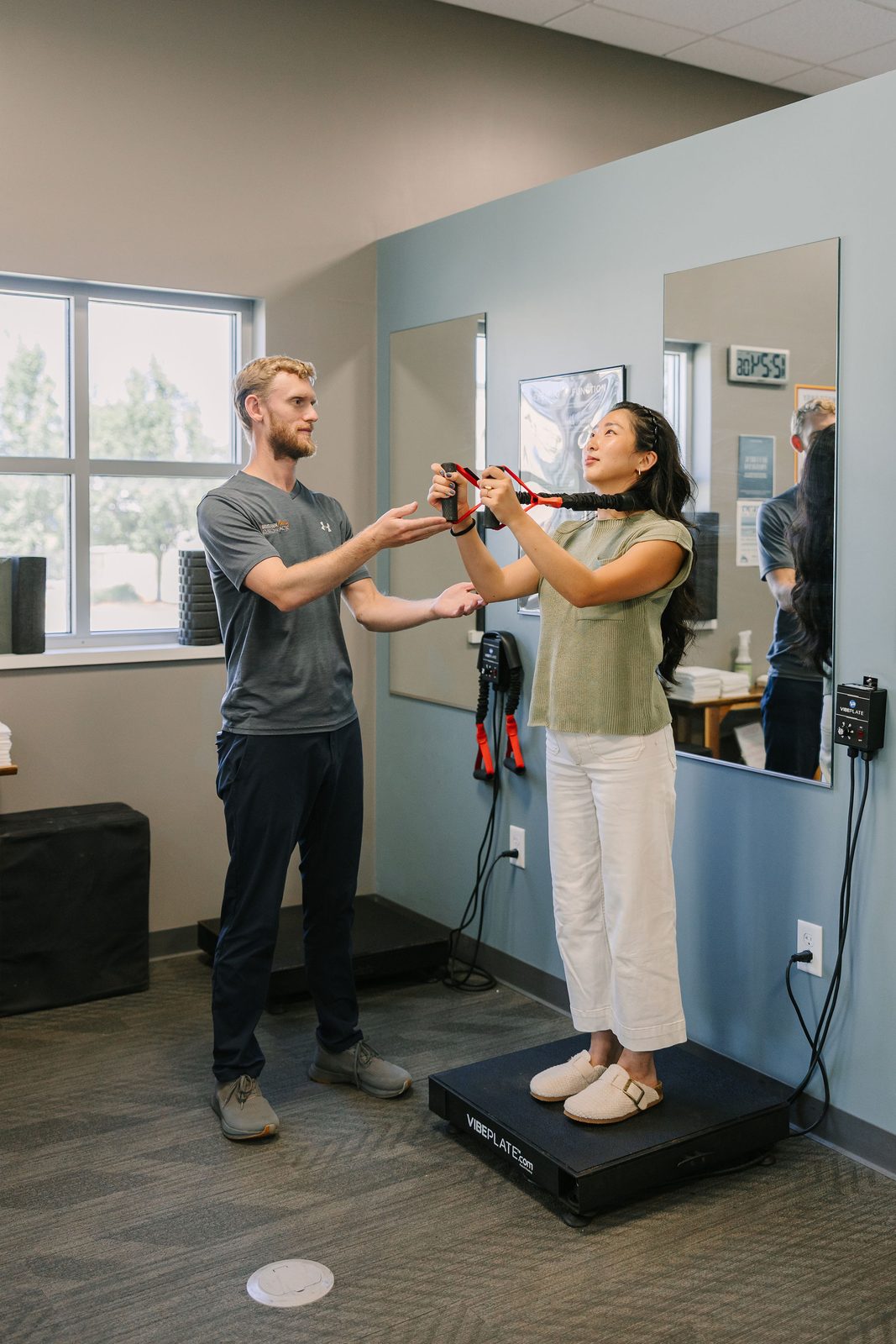
Sports injuries can affect muscles, joints, ligaments, tendons, and the spine. Whether caused by a single traumatic event or repetitive stress, an injury can change the way your body moves and potentially lead to compensation in other areas.
Chiropractic care can be an important part of a comprehensive approach to recovering from many musculoskeletal sports injuries. Treatment may include adjustments to improve joint mobility, soft-tissue techniques, stretching, corrective exercises, and guidance for gradually returning to activity. The goal is not only to help you recover but also to improve movement mechanics and reduce the likelihood of future problems.
Whiplash
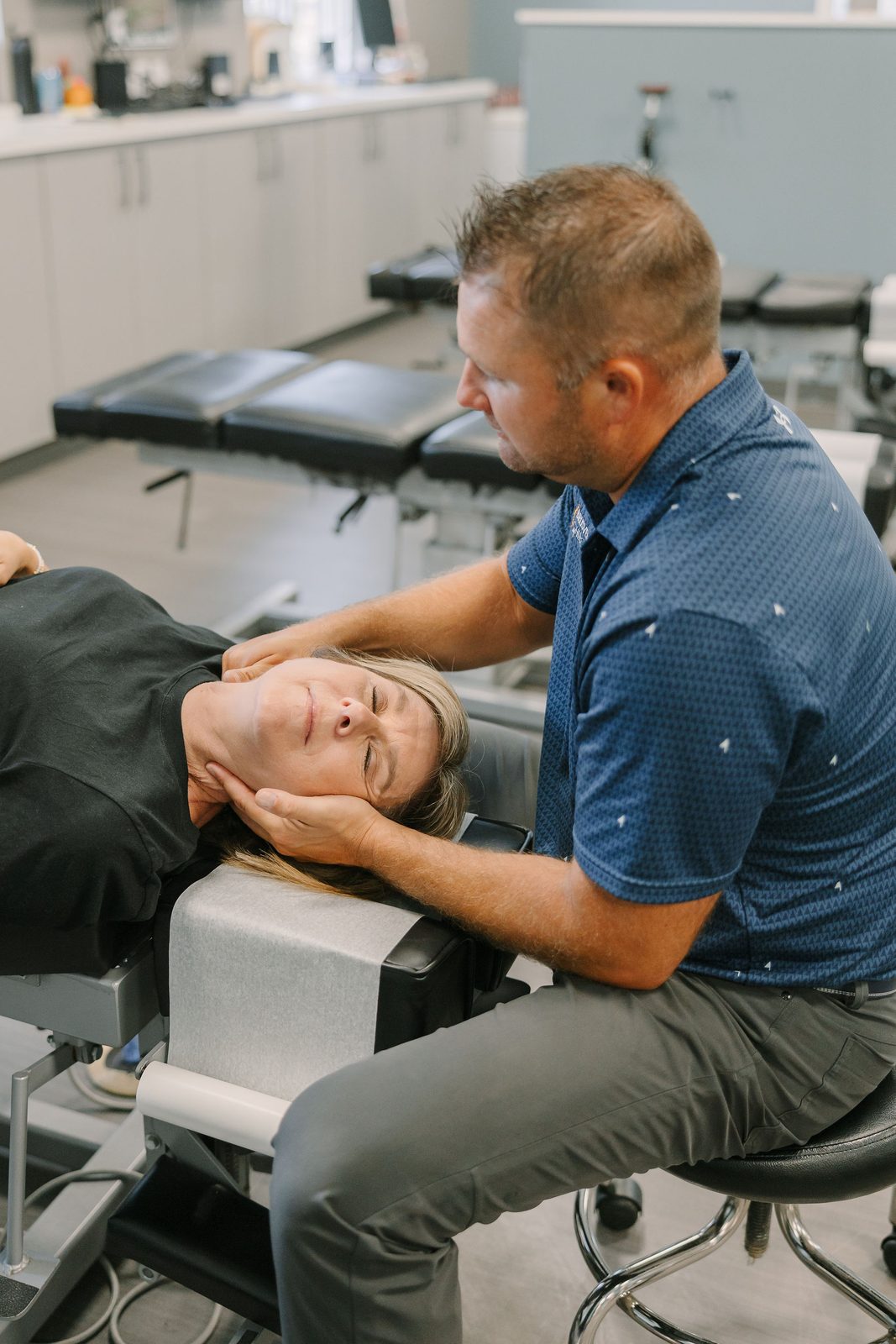
Whiplash commonly occurs when the head and neck are suddenly forced backward and forward, such as during a motor vehicle accident. This rapid movement can affect the muscles, joints, ligaments, and other structures of the neck and upper back. Symptoms may include neck pain, stiffness, headaches, shoulder discomfort, and reduced range of motion.
Chiropractic care can help support the recovery process by restoring comfortable movement to the neck and surrounding areas. Depending on the injury, treatment may include gentle adjustments, soft-tissue therapy, mobility exercises, and gradual strengthening. We can also monitor your progress and determine if additional medical evaluation or imaging is appropriate.